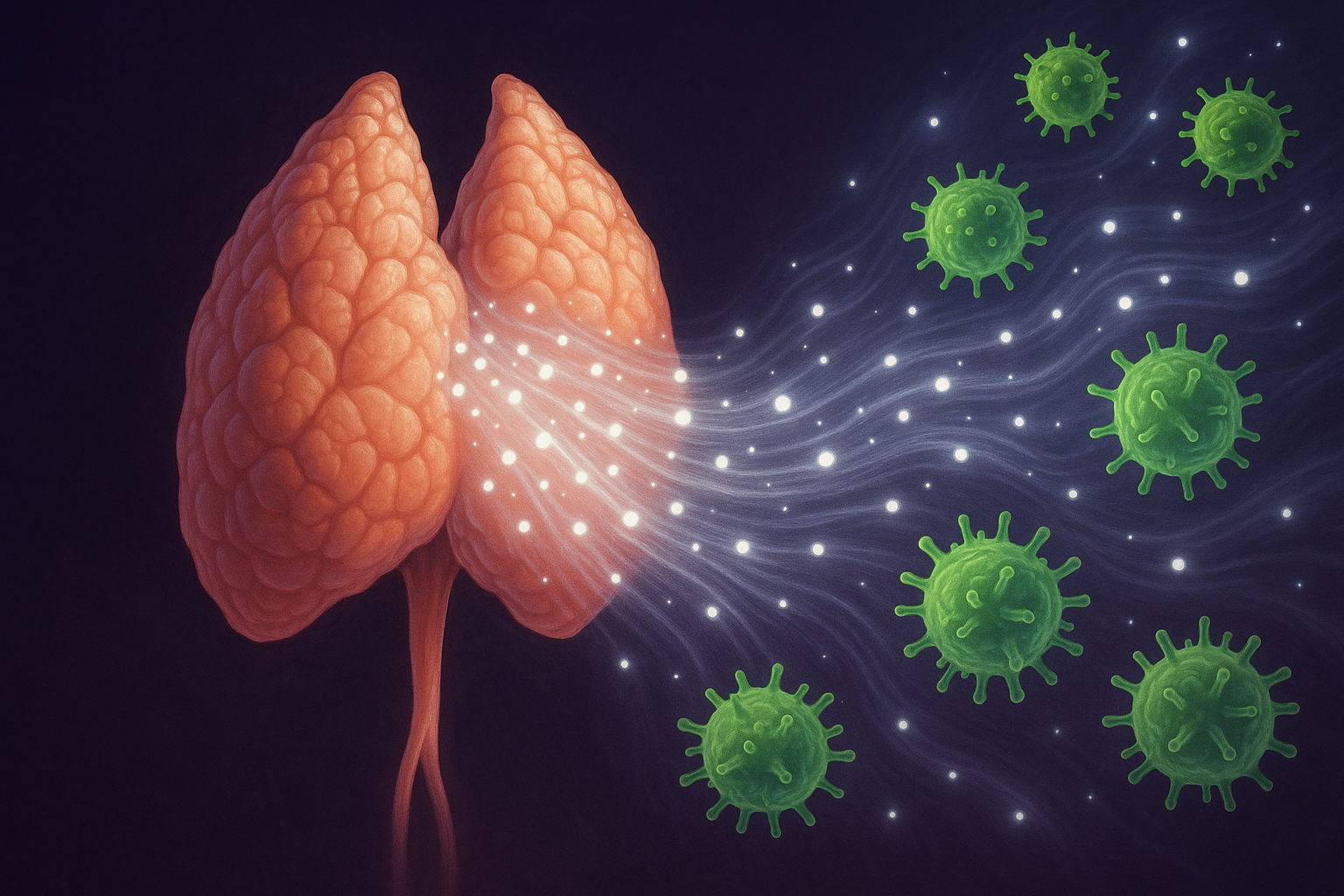
Thymosin Alpha-1: The Immune-Boosting Peptide Approved in 35+ Countries
A 28-amino acid peptide from the thymus gland that restores T-cell function, enhances dendritic cell activity, and has been used clinically for hepatitis, cancer support, and critical infections for over two decades.
Regulatory Approval
in Sequence
Clinical Trials
Across All Studies
Your thymus gland starts shrinking after puberty. By age 50, it's mostly fat.
That matters because the thymus is where your T-cells learn to fight. When it deteriorates, your immune system gets slower, weaker, and less precise. Thymosin alpha-1 is the peptide your thymus naturally produces to keep that process running. And it turns out, you can inject it.
This is an educational overview of thymosin alpha-1 based on published clinical research and approved prescribing information. It is not medical advice. Always consult a qualified healthcare provider before starting any peptide protocol.
What Is Thymosin Alpha-1?
Thymosin alpha-1 (Ta1) is a 28-amino acid peptide originally isolated from thymic tissue in the 1970s by Allan Goldstein at George Washington University. It's the primary active fraction of a crude preparation called thymosin fraction 5.
Researchers had already shown that thymosin fraction 5 could restore immune function in animals that had their thymus removed. Ta1 turned out to be the reason why.
Thymosin Alpha-1 (Thymalfasin)
| Feature | Detail |
|---|---|
| Type | Endogenous immunomodulatory peptide |
| Amino Acids | 28 |
| Molecular Weight | 3,108 Da |
| Origin | Human thymus gland (synthetic versions used clinically) |
| Brand Name | Zadaxin (thymalfasin) |
| Approved In | 35+ countries (not the US) |
The synthetic version is called thymalfasin. It's identical to the naturally occurring peptide and has been manufactured by SciClone Pharmaceuticals (now part of Pharmanovia) since the 1990s.
How Thymosin Alpha-1 Works
Ta1 doesn't jack up your immune system the way a stimulant would. It's a modulator, not an accelerator. That distinction is critical.
It works across three main immune pathways simultaneously.
Dendritic Cell Activation
Dendritic cells are the scouts of your immune system. They detect threats, process them, and present the information to T-cells so the right response gets launched.
Ta1 acts on toll-like receptors (TLR2 and TLR9) on dendritic cells, priming them to recognize pathogens more effectively (Romani et al., 2006).
Antigen Presentation
Dendritic cells become better at flagging threats for T-cell response.
DC Maturation
Immature dendritic cells develop into fully functional immune sentinels.
Cytokine Signaling
IL-12 and IFN-alpha production increases, directing the downstream immune response.
T-Cell Differentiation and Activation
This is where Ta1 earned its name. It pushes immature T-cell precursors toward becoming functional, mature T-cells.
Specifically, it increases CD4+ and CD8+ counts, upregulates maturation markers (CD2, CD3, CD4, CD8), and restores T-cell function in immunocompromised patients (Tuthill et al., 2010).
In patients with depressed immune function, Ta1 can increase T-cell counts by 30–60% within weeks of starting treatment.
NK Cell Enhancement
Natural killer (NK) cells handle the first line of defense against viruses and tumor cells. Ta1 boosts their activity without requiring antigen-specific activation.
It increases NK cell cytotoxicity, upregulates CD56 and CD16 expression, and synergizes with interferon for stronger combined effects.
The Modulation Difference
Here's what sets Ta1 apart from drugs that simply crank up immune activity. It tends to normalize rather than push in one direction.
| Immune State | Ta1's Effect | Clinical Relevance |
|---|---|---|
| Suppressed immunity | Boosts T-cell counts, restores function | Chemo patients, elderly, HIV |
| Normal immunity | Minimal change, mild enhancement | Healthy adults see little effect |
| Overactive immunity | Can reduce inflammatory cytokines | Studied in autoimmune contexts |
This bidirectional activity is why researchers have studied it in both immunodeficiency and autoimmune settings (Garaci, 2007).
Approved Uses: Zadaxin Around the World
Zadaxin (thymalfasin) has been approved in over 35 countries, primarily in Asia, Latin America, and parts of Europe. That makes it one of the most widely approved peptide drugs on the planet.
Hepatitis B
This is the primary approved indication. Chronic hepatitis B affects roughly 296 million people worldwide (WHO, 2024), and standard interferon therapy works in only a subset of patients.
| Treatment | Sustained Viral Response | Assessment |
|---|---|---|
| Ta1 alone | 26–36% | Outperforms placebo |
| Interferon-alpha alone | 20–28% | Standard of care |
| Ta1 + Interferon-alpha | 40–50% | Best combination result |
| Placebo | 10–15% | Baseline reference |
The combination with interferon consistently outperformed either agent alone across multiple randomized trials involving 435 chronic HBV carriers (Iino et al., 2005).
Ta1's sustained response rates continued to improve even after treatment ended. Viral clearance rates increased at 12-month follow-up compared to end-of-treatment measurements.
Hepatitis C
Before direct-acting antivirals (DAAs) changed treatment, Ta1 was studied as an adjunct to interferon and ribavirin therapy. It improved sustained virological response in combination regimens and was particularly effective in prior non-responders (Kullavanuava et al., 2001).
With modern DAAs achieving 95%+ cure rates, Ta1's role in hepatitis C has diminished. But it remains relevant in resource-limited settings where DAAs aren't available.
Immune Adjuvant for Vaccines
Several countries approve Ta1 as a vaccine adjuvant. It improves seroconversion rates in elderly patients receiving influenza vaccines and helps immunocompromised patients (including dialysis patients) respond to hepatitis B vaccination (Gravenstein et al., 2009).
Cancer Research
Ta1 has been studied extensively as an adjunct to chemotherapy and immunotherapy, not as a standalone cancer treatment. The rationale is straightforward: chemotherapy suppresses the immune system. Ta1 may help restore immune function during and after treatment.
Cancer Adjuvant Trials
| Cancer Type | Intervention | Finding |
|---|---|---|
| Hepatocellular carcinoma | Ta1 + TACE | Improved 1-year survival vs TACE alone |
| Non-small cell lung cancer | Ta1 + chemotherapy | Improved T-cell counts, reduced infections |
| Melanoma | Ta1 + interferon + dacarbazine | Higher response rates vs chemo alone |
| Gastric cancer | Ta1 + chemotherapy | Reduced immunosuppression post-chemo |
The strongest cancer data comes from liver cancer studies. A meta-analysis of seven randomized trials found that Ta1 combined with transarterial chemoembolization (TACE) significantly improved overall survival at 1 and 2 years, recurrence-free survival, and CD4+/CD8+ T-cell ratios during treatment (Liu et al., 2016).
Ta1 is not a cancer treatment on its own. The evidence supports it as a supportive agent that helps maintain immune function during conventional cancer therapy.
COVID-19 Applications
When SARS-CoV-2 emerged, researchers noticed that severe COVID patients had dramatically reduced T-cell counts. That observation made Ta1 an obvious candidate for study.
A retrospective study from Wuhan examined 76 severe COVID-19 patients and found significant differences in the Ta1 group (Liu et al., 2020).
Mortality Reduction
11.1% mortality in the Ta1 group vs 30.0% in controls (63% relative reduction).
T-Cell Recovery
Restored CD4+ and CD8+ T-cell counts alongside reduced markers of organ damage.
| Study | Patients | Key Finding |
|---|---|---|
| Wuhan retrospective | 76 severe cases | 63% relative mortality reduction |
| Italian compassionate use | 12 patients | T-cell count recovery within 7 days |
| Multi-center Chinese | 334 critical cases | Improved 28-day survival with Ta1 |
The data is encouraging but largely retrospective. No large randomized controlled trial of Ta1 in COVID-19 has been completed as of early 2026 (Wu et al., 2020).
Ta1 appeared most effective in COVID patients with baseline lymphocyte counts below 0.5 x 10^9/L, suggesting its greatest benefit is in those with the most suppressed immune function.
Sepsis and Critical Care
Beyond viral infections, Ta1 has shown promise in sepsis, where immune paralysis is a major driver of late-stage mortality. This is one of the larger and better-designed trials of Ta1 in any condition.
A randomized trial of 361 patients with severe sepsis found that Ta1 reduced 28-day mortality from 35.0% to 26.0%, improved HLA-DR expression on monocytes, and decreased secondary infections in the ICU setting (Wu et al., 2013).
Dosing Protocols
These are research-based protocols from clinical trials and approved prescribing information (Zadaxin). Always work with a qualified provider.
Zadaxin Dosing Overview
| Parameter | Detail |
|---|---|
| Standard dose | 1.6 mg subcutaneous injection |
| Frequency | Twice weekly (typically Mon/Thu or Tue/Fri) |
| Route | Subcutaneous (upper arm, abdomen, or thigh) |
| Hepatitis B cycle | 6 months (approved use) |
| Cancer adjuvant | Variable; typically throughout chemo cycles |
| Immune support | 2–3 months in most research protocols |
Dosing Variations in Research
| Application | Dose | Schedule | Duration |
|---|---|---|---|
| Hepatitis B (approved) | 1.6 mg | Twice weekly | 6–12 months |
| Cancer adjuvant | 1.6 mg | Twice weekly | Duration of chemo |
| Sepsis (clinical trial) | 1.6 mg | Daily x 7 days | Acute phase |
| COVID-19 (research) | 1.6 mg | Daily x 5–7 days | Acute phase |
| General immune support | 1.6 mg | 2–3x per week | 8–12 weeks |
The 1.6 mg dose is remarkably consistent across nearly all studies. Unlike many peptides where dose-finding is ongoing, Ta1 dosing has been standardized for decades.
Ta1 typically comes as a lyophilized powder. For reconstitution instructions, see our guide to reconstituting peptides.
Side Effects and Safety
Ta1 has one of the cleanest safety profiles of any injectable peptide in clinical use. Decades of data across thousands of patients support this.
| Side Effect | Frequency | Notes |
|---|---|---|
| Injection site discomfort | Occasional | Mild redness or irritation, resolves quickly |
| Mild fatigue | Uncommon | Usually first few doses only |
| Low-grade fever | Rare | Sign of immune activation, typically transient |
| Muscle aches | Rare | Flu-like symptoms in first week |
| Nausea | Very rare | Typically mild |
| Allergic reaction | Extremely rare | Fewer than 1% across all trials |
In a pooled safety analysis of over 4,400 patients across clinical trials, Ta1 showed no significant difference in adverse events compared to placebo (Tuthill et al., 2010).
Discontinue and seek medical attention for: severe allergic reaction (swelling, difficulty breathing), autoimmune flare in patients with existing conditions, or persistent fever above 101F that may indicate infection rather than immune activation.
For a broader overview, see our peptide side effects guide.
Thymosin Alpha-1 vs. Other Immune Peptides
| Feature | Thymosin Alpha-1 | BPC-157 | Thymosin Beta-4 |
|---|---|---|---|
| Primary action | Immune modulation | Tissue repair / gut healing | Tissue repair / anti-inflammatory |
| Immune effects | Direct T-cell activation | Indirect (via gut health) | Mild anti-inflammatory |
| Approved anywhere | Yes (35+ countries) | No | No |
| Clinical trial data | Extensive (thousands of patients) | Limited (mostly animal) | Moderate |
| Safety data | Decades of human use | Limited human data | Moderate human data |
| Best for | Immune deficiency, infections, cancer support | Gut issues, injury healing | Wound healing, recovery |
Who Might Benefit
Based on existing clinical data and approved uses, certain populations show the clearest benefit from Ta1 therapy.
Chronic Hepatitis B
The primary approved indication worldwide, supported by multiple randomized trials.
Cancer Patients on Chemo
Maintains immune function during treatment, reduces infection risk.
Elderly with Immunosenescence
Declining immune function with age is a core target of Ta1 therapy.
Recurrent Infections
Patients with documented low T-cell counts and frequent infections.
Ta1 is not recommended as a casual immune booster for healthy individuals. Its greatest benefit appears in people with measurably compromised immune function.
Legal Status and Availability
The regulatory status of Ta1 varies significantly by region.
| Region | Status | Access |
|---|---|---|
| United States | Not FDA-approved | Compounding pharmacies with Rx; research suppliers |
| China | Approved (Zadaxin) | Widely used in hospitals |
| Italy | Approved | Compassionate use in certain conditions |
| India | Approved | Manufactured by multiple companies |
| Australia | Not TGA-approved | Special Access Scheme |
| 35+ countries | Approved as Zadaxin | Hepatitis B and/or immune support |
Why Isn't It FDA-Approved?
The FDA requires large, well-controlled phase 3 trials conducted under US regulatory standards. SciClone Pharmaceuticals pursued most of its clinical development in Asia, where regulatory pathways differ.
The company reportedly explored FDA approval but determined the cost of US-specific trials (estimated at $100M+) wasn't justified given the relatively low price point of the drug. Generic competition in Asia further reduced the financial incentive.
Compounding Pharmacies
With a physician's prescription, US patients can access Ta1 from licensed compounding pharmacies.
Research Suppliers
Available for research use only through peptide suppliers.
Clinical Trials
Limited availability through active studies (check ClinicalTrials.gov).
Check our peptide legality guide for full details.
Frequently Asked Questions
What does thymosin alpha-1 do?
How long does it take to work?
Is thymosin alpha-1 safe?
Can I combine thymosin alpha-1 with other peptides?
Is thymosin alpha-1 the same as thymosin beta-4?
Can thymosin alpha-1 help with long COVID?
Does thymosin alpha-1 have anti-aging effects?
Why isn't thymosin alpha-1 FDA-approved if it works?
The Bottom Line
Thymosin alpha-1 is one of the few peptides with genuine, large-scale clinical evidence behind it. Approved in over 35 countries, studied in thousands of patients, and used clinically for over two decades, it has a track record that most peptides can only dream of.
Its strongest applications remain in hepatitis B treatment, cancer immunotherapy support, and acute immune restoration in critically ill patients. The COVID-19 data added another layer of interest, though randomized trials are still needed.
For healthy individuals, Ta1 is probably unnecessary. But for those with documented immune deficiency, chronic infections, or treatments that suppress immune function, it's one of the best-supported options available.
The biggest limitation? It's not FDA-approved, which limits access in the US and means insurance won't cover it. That's a regulatory and economic problem, not a scientific one.
This article is for educational and informational purposes only. It is not medical advice and should not be treated as such. Always consult a qualified healthcare provider before starting any peptide protocol. The information presented here is based on published research and does not constitute an endorsement of any specific product or treatment.
References
Romani L, et al. Thymosin alpha 1 activates dendritic cell tryptophan catabolism and establishes a regulatory environment for balance of inflammation and tolerance. Blood. 2006;108(7):2265–2274. PubMed
Tuthill C, et al. Thymalfasin: biological properties and clinical applications. Int Immunopharmacol. 2010;10(10):1225–1229. PubMed
Garaci E. Thymosin alpha 1: a historical overview. Ann N Y Acad Sci. 2007;1112:329–338. PubMed
Iino S, et al. Thymosin alpha 1 for the treatment of hepatitis B virus infection. Expert Opin Biol Ther. 2005;5 Suppl 1:S121–S126. PubMed
Kullavanuava P, et al. Pilot study of thymalfasin in the treatment of chronic hepatitis C genotype 3a in Thailand. Hepatogastroenterology. 2001;48(41):1283–1285. PubMed
Gravenstein S, et al. Efficacy of an influenza vaccine supplemented with thymalfasin in the elderly. J Am Geriatr Soc. 2009;57(3):478–482. PubMed
Garaci E, et al. Thymosin alpha 1: from bench to bedside. Ann N Y Acad Sci. 2012;1270:56–64. PubMed
Liu Y, et al. Thymosin alpha 1 combined with TACE for hepatocellular carcinoma: a systematic review and meta-analysis. Drug Des Devel Ther. 2016;10:2537–2552. PubMed
Liu Y, et al. Thymosin alpha 1 (Ta1) reduces the mortality of severe COVID-19 by restoration of lymphocytopenia and reversion of exhausted T cells. Clin Infect Dis. 2020;71(16):2150–2157. PubMed
Wu M, et al. Thymosin alpha 1 treatment of immunosuppressed patients with COVID-19. Expert Opin Biol Ther. 2020;21(4):453–459. PubMed
Wu J, et al. Thymosin alpha 1 for severe sepsis: a randomized controlled trial. Crit Care. 2013;17(1):R8. PubMed
Related reading:
What Are Peptides? Beginner's Guide · Peptide Side Effects: What to Know · Are Peptides Legal? FDA Regulations in 2026
For compound profiles and sourcing info, visit PeptideArc.