APhA 2026: GLP-1 Therapies Are Rewriting the Rules of Metabolic Disease
At APhA 2026, Emily Eddy, PharmD, mapped the expanding reach of incretin therapies beyond obesity into liver, kidney, and addiction medicine.
GLP-1 receptor agonists have been a dominant story in metabolic medicine for the last few years, but the picture presented at the American Pharmacists Association 2026 annual meeting suggests the story is still just getting started. Emily Eddy, PharmD, took the stage at APhA 2026 to walk through what incretin therapy looks like now and where the evidence is pointing next. The short version: the pipeline is bigger, the clinical applications are broader, and pharmacists are going to be central to managing all of it.
Details
Eddy’s presentation covered the full arc of where GLP-1 and incretin-based therapies currently stand. On the pipeline side, she outlined a growing list of both oral and injectable options either approved or in late-stage development, moving the field well past the point where semaglutide and tirzepatide are the only names worth knowing.
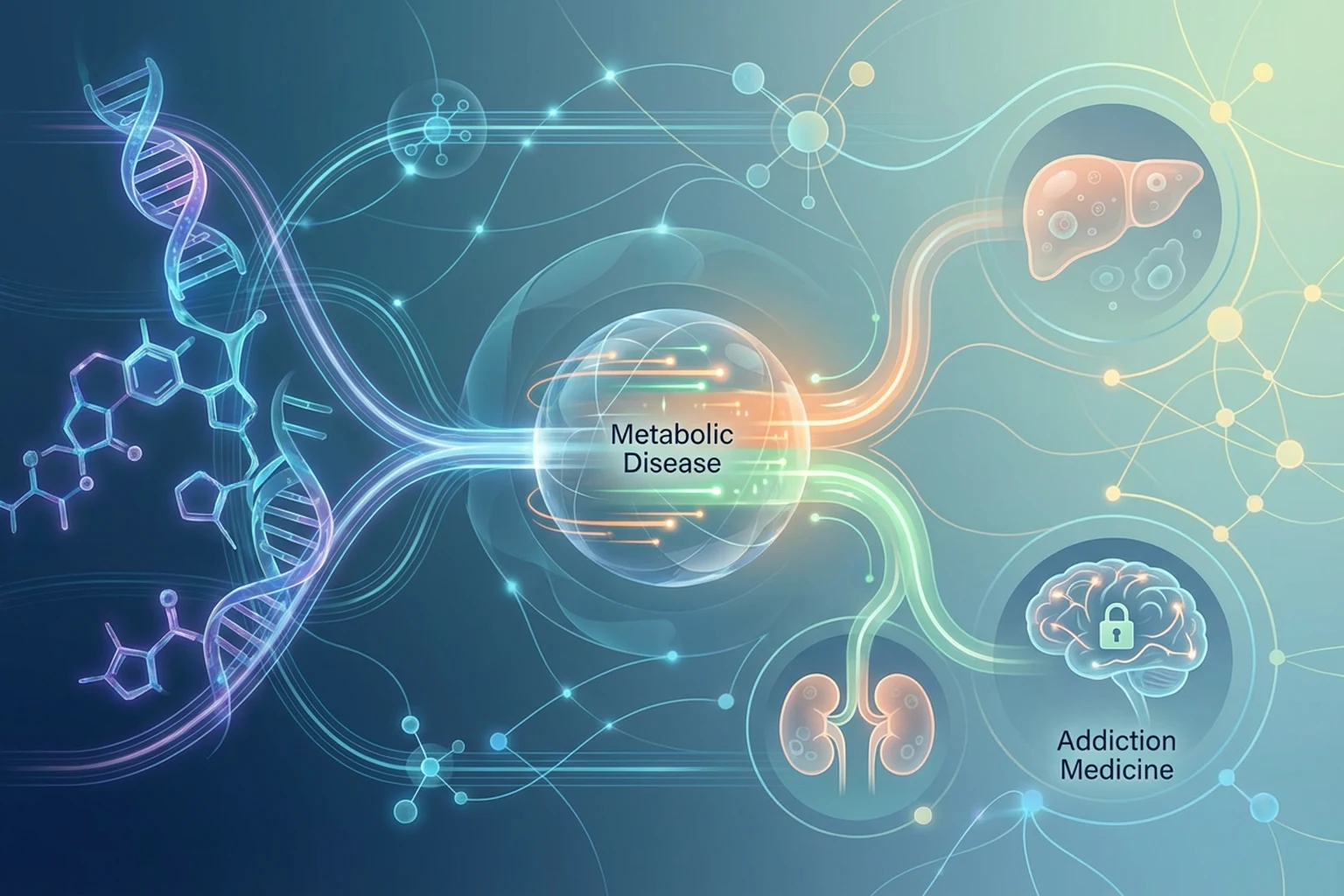
Beyond the established use cases in type 2 diabetes and obesity, Eddy pointed to emerging evidence in several areas that have traditionally sat outside the metabolic disease conversation. Metabolic dysfunction-associated steatotic liver disease, more commonly known as MASLD, is one area where incretin therapies are showing meaningful clinical signal. Kidney disease is another, with data suggesting these agents may offer protective effects beyond what glycemic control alone can explain.
Perhaps most striking for many attendees was the discussion of substance use disorder. There is a growing body of early evidence that GLP-1 receptor agonists may blunt reward-seeking behavior more broadly, not just for food. That has prompted serious scientific interest in whether these drugs could play a role in treating alcohol use disorder and other compulsive behavior patterns. Eddy acknowledged that this evidence is still developing, and no regulatory approvals exist in this space yet, but the signal is real enough to have landed on the main stage at a major pharmacy conference.
On the practical side, Eddy addressed the ongoing supply and access picture. While manufacturing capacity for the leading agents has improved compared to the shortage years, patient access remains uneven depending on insurance coverage and geography. Pharmacists are fielding a large share of the questions patients have about these medications, from dosing and administration to what happens when a supply gap hits.
The oral formulation pipeline got notable attention. For years, GLP-1 therapy meant injections, which created a real barrier for some patients. Several oral options are now either approved or advancing through trials, and Eddy framed this as a likely driver of broader uptake as those options hit the market.
Why It Matters
This presentation matters because it reflects where clinical thinking is heading, not just where marketing is. When a pharmacist-focused conference devotes significant time to incretin therapy’s potential in liver disease, kidney protection, and addiction medicine, it signals that prescribers and dispensers alike need to be ready for a much wider patient population asking about these drugs.
For readers following peptide and incretin research closely, the key takeaway is that GLP-1 therapies are no longer a single-indication story. The mechanism appears to have effects across multiple organ systems, and researchers are actively working to understand the full scope. That makes it a fluid area where the evidence can shift quickly.
It also puts pharmacists in a demanding position. They’re being asked to counsel patients on medications that now touch type 2 diabetes, obesity, heart disease, liver disease, kidney disease, and possibly substance use. Understanding the evidence, and its limits, is increasingly part of the job.
What’s Next
The near-term action is in the oral pipeline and the pending trial data in MASLD and kidney disease. Several phase 3 studies in those indications are expected to report in the next one to two years, which could open new FDA-labeled uses. The substance use disorder data is earlier stage and unlikely to produce regulatory movement quickly, but the research community is clearly taking it seriously.
Pharmacy practice guidelines may also need updating as the approved indications list grows. Eddy’s talk at APhA 2026 reads less like a summary of where things are and more like a preview of how much more complicated, and more consequential, this therapeutic area is about to become.
Related Reading
Original Source
pharmacytimes.com →