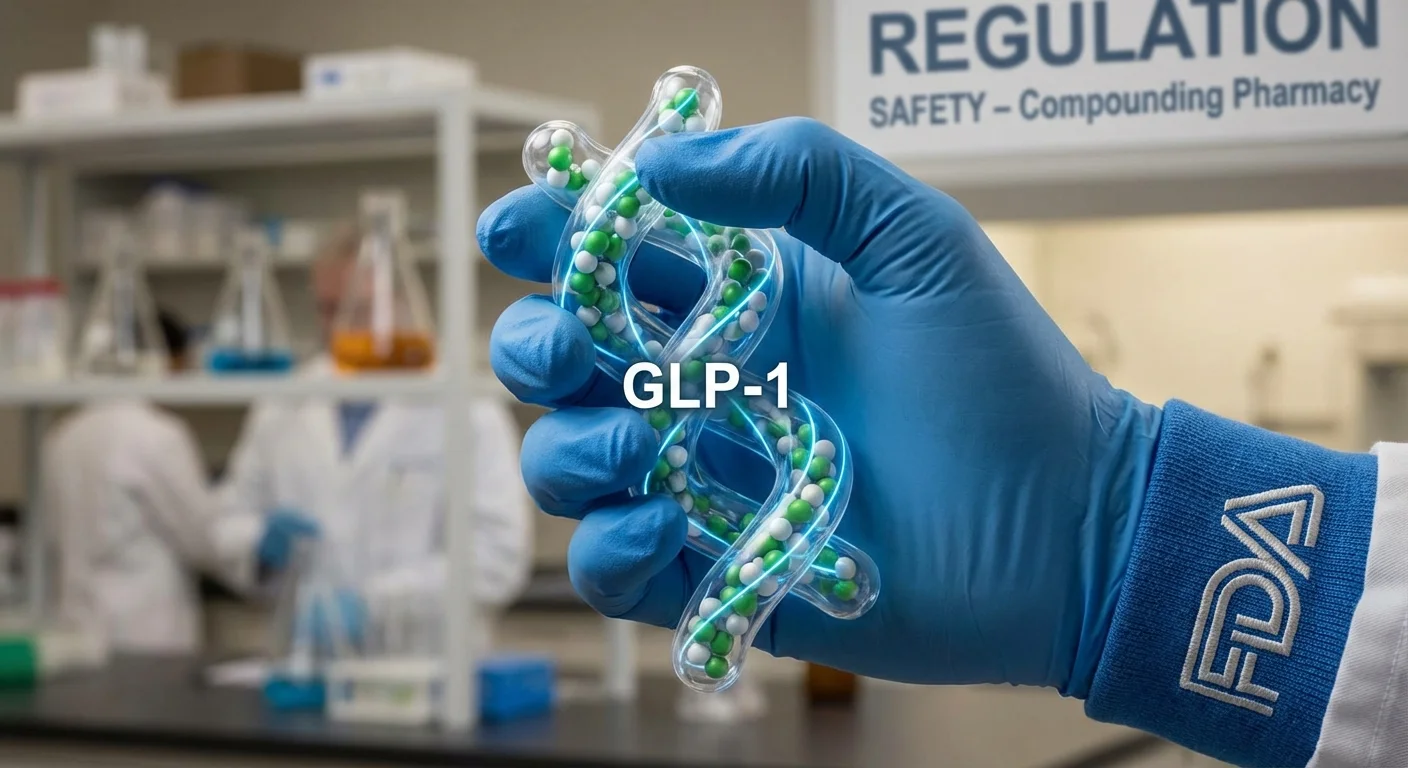
FDA Intensifies Scrutiny on Compounded GLP-1 Drugs
The FDA is cracking down on compounded GLP-1 drugs for weight loss, citing concerns over active pharmaceutical ingredients and manufacturing standards.
The U.S. Food and Drug Administration (FDA) has announced a significant intensification of its efforts to regulate GLP-1 (Glucagon-Like Peptide-1) receptor agonist drugs produced by compounding pharmacies. This crackdown specifically targets the active pharmaceutical ingredients (APIs) used in these customized medications, underscoring the agency’s commitment to patient safety and adherence to federal quality standards.
GLP-1 drugs, such as Ozempic and Wegovy, have revolutionized the treatment of type 2 diabetes and obesity, demonstrating remarkable efficacy in blood sugar control and weight management. However, soaring demand and intermittent supply shortages for these approved medications have led many patients and healthcare providers to turn to compounding pharmacies for alternatives. Compounding pharmacies create customized medications to meet the unique needs of individual patients, often reformulating drugs or preparing them in different dosages or forms.
The FDA’s primary concern revolves around the sourcing and quality of the APIs used in compounded GLP-1 products. The agency has cautioned against the use of compounded drugs that purportedly contain semaglutide — the active ingredient in Ozempic and Wegovy — especially when these products are made from salt forms of semaglutide, such as semaglutide sodium and semaglutide acetate. These salt forms are not the same as the active ingredient used in the approved drugs and have not been proven safe or effective.
Furthermore, the FDA emphasizes that compounded drugs do not undergo the same rigorous review process for safety, efficacy, and quality as commercially manufactured drugs. This raises potential risks, including variability in potency, contamination, or the presence of unapproved ingredients. The agency has issued warnings to both compounding pharmacies and consumers, highlighting the dangers associated with unapproved and improperly manufactured compounded drug products.
The move by the FDA reflects a broader effort to ensure that all medications, regardless of their origin, meet established quality and safety benchmarks. While compounding pharmacies serve a crucial role in addressing specific patient needs, especially during drug shortages, the FDA maintains that this must not come at the expense of patient well-being.
This intensified scrutiny means that compounding pharmacies must demonstrate strict adherence to Current Good Manufacturing Practices (CGMP) and ensure the integrity and identity of their sourced APIs. For patients, it underscores the importance of discussing all medication options, including compounded drugs, with their healthcare providers and understanding the potential risks involved. The FDA’s action aims to protect public health by maintaining the integrity of the pharmaceutical supply chain and ensuring that patients receive safe and effective treatments.