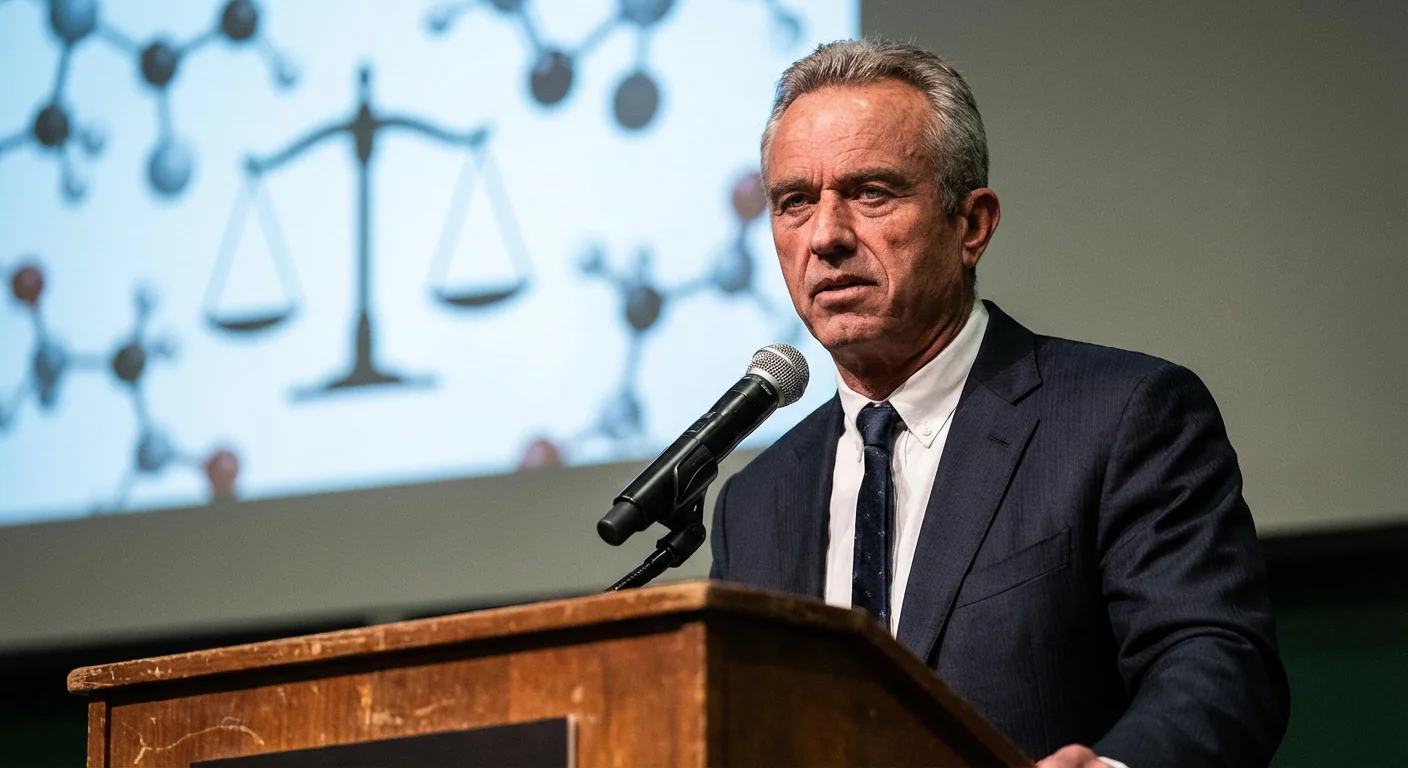
RFK Jr. Plans to Unleash Banned Peptides in Bold FDA Challenge
Robert F. Kennedy Jr. announces intentions to reverse FDA restrictions on nearly two dozen peptides if elected president, sparking significant debate.
In a move that has sent ripples through the medical and pharmaceutical communities, presidential hopeful Robert F. Kennedy Jr. has publicly stated his intention to reverse a Biden-era Food and Drug Administration (FDA) decision that restricted the production of nearly two dozen peptides by compounding pharmacies. The announcement, made during a recent appearance on the popular ‘Joe Rogan Experience’ podcast, signals a potential seismic shift in the regulatory landscape surrounding peptides.
Kennedy’s platform, which often champions individual liberties and challenges established health authorities, aligns with the growing sentiment among some patients and practitioners that current FDA regulations on peptides are overly restrictive. He suggested that many of these peptides could be removed from the “banned list” within weeks of a new administration. This aggressive stance is likely to ignite further debate between those advocating for broader access to these compounds and those prioritizing stringent regulatory oversight.
Peptides, short chains of amino acids, play crucial roles in various physiological processes. In recent years, they have garnered significant attention for their therapeutic potential in diverse areas, including weight loss, anti-aging, muscle building, and recovery from injury. Compounding pharmacies have historically played a vital role in providing customized peptide formulations to patients based on individual physician prescriptions, particularly when commercial alternatives are unavailable or unsuitable.
The FDA’s increased scrutiny on compounded peptides has been a point of contention for several years. The agency argues that some peptides lack adequate safety and efficacy data, raising concerns about potential risks to public health when these compounds are produced without robust regulatory oversight. They also emphasize the importance of ensuring that drug products are manufactured under conditions that meet federal quality standards.
Conversely, proponents of relaxed restrictions argue that many peptides have a long history of safe use and significant therapeutic benefits. They contend that the FDA’s current approach limits patient access to potentially life-changing treatments and stifles innovation within the compounding industry. The debate often centers on the balance between patient autonomy, access to novel therapies, and the necessity of safeguarding public health through rigorous regulation.
RFK Jr.’s vocal challenge to the FDA’s peptide policy underscores a broader philosophical divide in healthcare regulation. His proposal taps into a public desire for alternative medical solutions and a distrust of large pharmaceutical companies and government agencies. While the specifics of how he would implement such a reversal remain to be seen, his comments have undoubtedly pushed the issue into the national spotlight.
The coming months are expected to see intensified discussion around peptide regulation, particularly as the presidential campaign progresses. The outcome of this debate could significantly impact compounding pharmacies, healthcare providers, and the millions of individuals exploring peptide therapies for a variety of health concerns. PeptideRundown will continue to monitor this developing story and provide updates as they emerge.