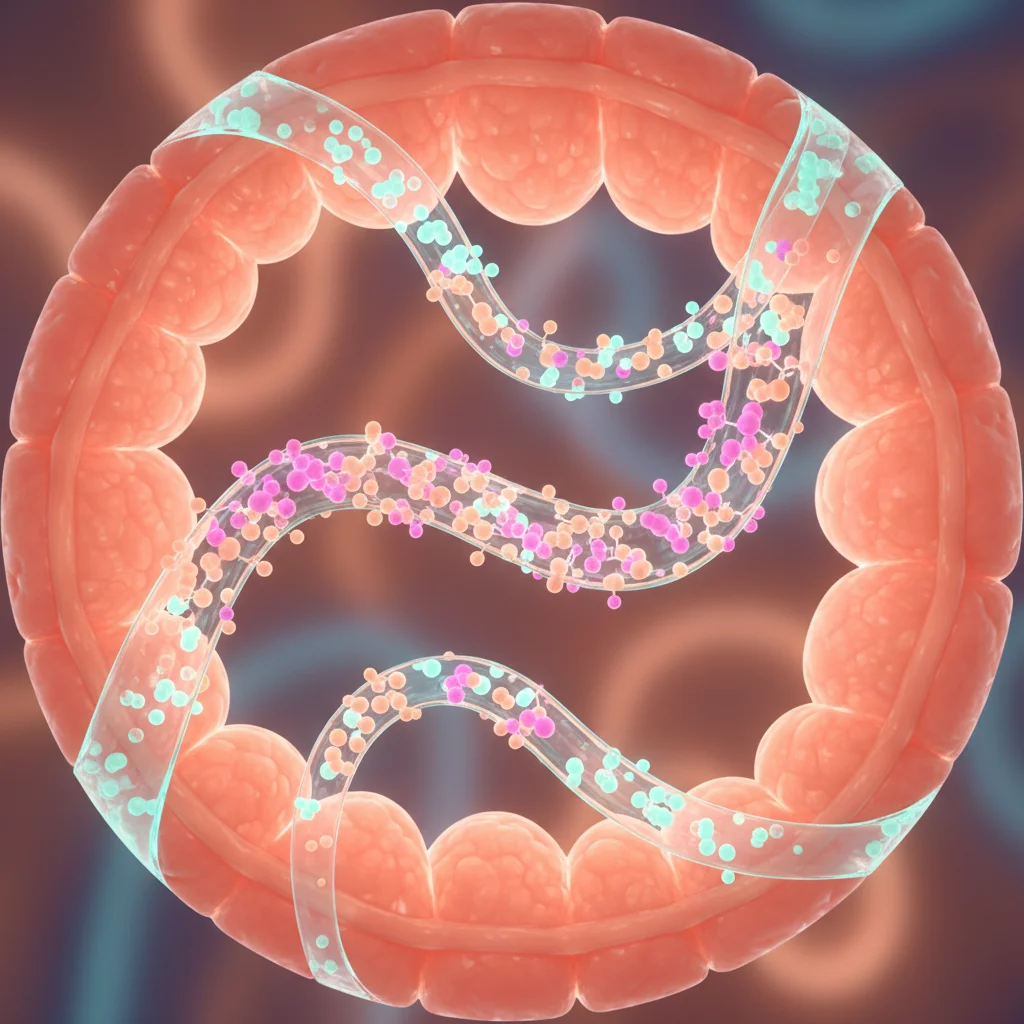
Best Peptides for Gut Health: BPC-157, KPV, and LL-37
Three research-backed peptides that repair intestinal lining, calm chronic inflammation, and fight harmful gut pathogens. A complete guide to protocols, mechanisms, and stacking strategies for digestive healing.
Amino Acid Chain
Reduction (KPV)
Covered
Duration (Weeks)
Digestive issues affect millions of people worldwide, from irritable bowel syndrome to chronic inflammatory conditions that conventional treatments only partially address. Peptides offer a different approach: small protein fragments that communicate directly with cells to initiate targeted healing.
Three peptides stand out for gut repair. BPC-157 rebuilds damaged tissue, KPV shuts down inflammatory cascades, and LL-37 clears harmful pathogens while preserving beneficial bacteria. Together they address the root causes of most digestive dysfunction.
This is an educational breakdown of BPC-157, KPV, and LL-37 for gut health, covering mechanisms, dosing protocols, stacking strategies, and safety. It is not a recommendation to use these peptides. Consult a qualified healthcare provider before considering any peptide regimen.
Why Peptides Work for Gut Repair
The gut lining replaces itself every 3–5 days, making it one of the fastest-regenerating tissues in the body. When that turnover process breaks down due to chronic inflammation, infections, or stress, the result is increased intestinal permeability (often called "leaky gut"), bacterial overgrowth, and persistent digestive symptoms.
Peptides act as signaling molecules that communicate with specific cellular receptors. Unlike broad-spectrum medications that suppress symptoms, these compounds target the biological pathways responsible for tissue regeneration, immune regulation, and microbial defense.
What makes these three peptides especially effective together is that they address different root causes of gut dysfunction. A damaged intestinal barrier, chronic immune overactivation, and pathogenic overgrowth rarely occur in isolation. They feed each other in a vicious cycle that single-target therapies can't break.
BPC-157: The Gut Repair Specialist
Body Protection Compound-157
Sequence: 15-amino acid peptide derived from human gastric juice | Primary Actions: Tissue regeneration, angiogenesis, anti-inflammatory | Routes: Oral (preferred for gut), subcutaneous injection | Research Status: Extensive animal data, limited human trials | FDA Status: Not approved; research compound
BPC-157 is arguably the most studied peptide for gastrointestinal healing. It's derived from a protein found naturally in human stomach acid, which gives it a unique advantage: it survives the harsh digestive environment and acts directly on intestinal tissue (Sikiric et al., 1999).
Its mechanism centers on strengthening tight junctions between intestinal epithelial cells. These junctions act as gatekeepers, controlling what passes from the gut lumen into the bloodstream. When they weaken, partially digested food particles, bacteria, and toxins leak through, triggering systemic inflammation.
How BPC-157 Heals the Gut
BPC-157 works through multiple overlapping pathways that collectively accelerate mucosal repair. It increases vascular endothelial growth factor (VEGF) and fibroblast growth factor (FGF), which drive the formation of new blood vessels in damaged tissue (Seiwerth et al., 2018).
This angiogenic effect is critical. Damaged gut tissue is often poorly supplied with blood, which starves healing cells of the oxygen and nutrients they need. By restoring blood flow to injured areas, BPC-157 creates the conditions for repair to occur naturally.
In animal models of induced colitis, BPC-157 normalized gut function within days. It reduced ulcer size, accelerated fistula healing, and decreased inflammatory markers at the injury site (Sikiric et al., 1999).
BPC-157 also modulates the nitric oxide (NO) system, which plays a central role in gut motility and blood vessel regulation. This helps normalize bowel movement patterns in both constipation-dominant and diarrhea-dominant conditions.
BPC-157 Dosing for Gut Issues
| Method | Dose Range | Frequency | Duration | Best For |
|---|---|---|---|---|
| Oral | 250–500 mcg | 2x daily | 4–8 weeks | Gut-specific healing |
| Injectable (SubQ) | 250–350 mcg | Daily | 2–4 weeks | Systemic + gut support |
| Combined | 250 mcg oral + 250 mcg SubQ | Daily | 4–6 weeks | Severe conditions |
For gut-specific conditions, oral dosing is the clear winner. The peptide acts locally on intestinal tissue before entering systemic circulation. Take it 20–30 minutes before meals on an empty stomach for best absorption.
Most users report noticeable symptom improvement within 1–2 weeks. Full mucosal repair typically requires at least 4 weeks of consistent dosing.
KPV: The Inflammation Shutdown Switch
KPV Tripeptide (Lys-Pro-Val)
Sequence: Lysine-Proline-Valine (3 amino acids) | Derived From: Alpha-melanocyte-stimulating hormone (alpha-MSH) | Primary Actions: Anti-inflammatory, immunomodulatory | Routes: Oral, topical | Research Status: Strong preclinical data, emerging human data
KPV is a tiny tripeptide consisting of just three amino acids. Its small size gives it an advantage: excellent absorption through mucous membranes and the ability to penetrate inflamed tissue easily. It's derived from the C-terminal end of alpha-MSH, a hormone involved in immune regulation.
Where BPC-157 excels at rebuilding, KPV excels at calming. It directly inhibits NF-kB, the master transcription factor that controls inflammatory gene expression (Hsu et al., 2021). When NF-kB is overactive (as it is in IBD, IBS, and most chronic gut conditions), the immune system attacks intestinal tissue continuously.
KPV's Anti-Inflammatory Mechanisms
KPV shuts down inflammation through three distinct pathways. First, it blocks NF-kB translocation to the cell nucleus, preventing the transcription of pro-inflammatory genes. Second, it reduces circulating levels of TNF-alpha, one of the most damaging inflammatory cytokines in the gut.
Third, it modulates T-cell activity to rebalance immune responses. This is particularly important in autoimmune gut conditions like Crohn's disease and ulcerative colitis, where the immune system misidentifies intestinal tissue as a threat.
Animal studies show KPV reduces gut inflammation by up to 70% and decreases intestinal permeability by 45%. It specifically targets inflamed tissue without suppressing systemic immunity, reducing the side effects common with conventional immunosuppressants (Hsu et al., 2021).
KPV Dosing Protocols
| Protocol | Dose | Frequency | Duration |
|---|---|---|---|
| Standard maintenance | 100–200 mcg | 2–3x daily | 4–8 weeks |
| Acute flare management | 300 mcg | Every 8 hours | 5–7 days |
| Low-dose maintenance | 50–100 mcg | Daily | Ongoing (cycled) |
Oral administration works best for gut inflammation. KPV pairs exceptionally well with probiotics, as it calms the immune environment while beneficial bacteria recolonize the gut.
Many practitioners combine KPV with BPC-157 for a dual-action approach: KPV stops the inflammatory damage while BPC-157 repairs what's already been harmed.
LL-37: The Antimicrobial Defender
LL-37 (Human Cathelicidin)
Sequence: 37-amino acid peptide | Type: The only human cathelicidin antimicrobial peptide | Primary Actions: Antimicrobial, immunomodulatory, barrier reinforcement | Routes: Oral, subcutaneous | Key Application: SIBO, infection-related gut issues
LL-37 is unique among gut-healing peptides because it serves a dual role. It directly kills harmful bacteria, viruses, and fungi while simultaneously regulating immune function. Your body produces LL-37 naturally as a first-line defense, but levels are often depleted in people with chronic gut conditions (Gombart, 2020).
This peptide is especially valuable for Small Intestinal Bacterial Overgrowth (SIBO). Unlike broad-spectrum antibiotics that wipe out everything, LL-37 selectively targets pathogenic organisms while preserving the beneficial microbiota your gut needs to function properly.
LL-37's Dual-Action Protection
LL-37 destroys pathogens by disrupting their cell membranes, a mechanism that bacteria struggle to develop resistance against. It's effective against gram-positive and gram-negative bacteria, enveloped viruses, and certain fungi (Gombart, 2020).
On the immune side, LL-37 modulates both innate and adaptive immunity. It enhances the activity of macrophages and neutrophils (your body's pathogen-clearing cells) while preventing excessive inflammation that damages healthy tissue.
Some users experience temporary Herxheimer-like reactions (fatigue, mild digestive upset) when starting LL-37, as pathogen die-off releases endotoxins. Start at lower doses and increase gradually. These symptoms typically resolve within 3–5 days.
LL-37 Dosing Protocols
| Protocol | Dose | Timing | Duration |
|---|---|---|---|
| SIBO / bacterial overgrowth | 200–500 mcg | Once daily, empty stomach | 4–8 weeks |
| General gut defense | 100–200 mcg | Once daily | 2–4 weeks |
| Post-antibiotic recovery | 100–300 mcg | Twice daily | 2–6 weeks |
Start at 100 mcg daily and titrate upward over 5–7 days. Combining LL-37 with a quality probiotic supports microbial rebalancing during treatment.
Comparing the Three Gut Peptides
Each of these peptides targets a different aspect of gut dysfunction. Understanding their strengths and limitations helps you determine which one (or which combination) fits your situation best.
| Factor | BPC-157 | KPV | LL-37 |
|---|---|---|---|
| Primary action | Tissue repair | Anti-inflammatory | Antimicrobial |
| Best for | Leaky gut, ulcers, mucosal damage | IBD, IBS, chronic inflammation | SIBO, infections, dysbiosis |
| Onset of effects | 1–2 weeks | 3–7 days | 1–2 weeks |
| Preferred route | Oral | Oral | Oral |
| Safety profile | Excellent | Excellent | Good (watch for die-off) |
| Research depth | Extensive (animal) | Moderate (preclinical) | Extensive |
| Works alone? | Yes | Yes | Yes |
| Better stacked? | Yes, with KPV | Yes, with BPC-157 | Yes, with BPC-157 |
Stacking Strategies for Maximum Gut Repair
Combining peptides creates synergistic effects that exceed what any single compound delivers. Each pairing addresses complementary pathways, breaking the cycle of damage, inflammation, and infection that drives chronic gut conditions.
Condition-Specific Protocols
| Condition | Recommended Stack | Duration | Priority |
|---|---|---|---|
| Leaky gut syndrome | BPC-157 + KPV + Colostrum | 8–12 weeks | High |
| IBS (diarrhea-dominant) | KPV + LL-37 + L-Glutamine | 6–8 weeks | High |
| IBD inflammation | KPV + BPC-157 + Curcumin | 12+ weeks | Moderate |
| Post-antibiotic repair | LL-37 + BPC-157 + Probiotics | 4–6 weeks | High |
| SIBO | LL-37 + BPC-157 | 6–8 weeks | High |
| Food sensitivities | BPC-157 + KPV | 8–12 weeks | Moderate |
How the Synergies Work
BPC-157 + KPV
BPC-157 rebuilds the intestinal barrier while KPV calms the immune response that's causing ongoing damage. The repair happens faster when inflammation isn't constantly undoing progress.
KPV + LL-37
KPV controls inflammatory flares while LL-37 eliminates the pathogenic bacteria triggering them. This combination is particularly effective for infection-driven IBS and recurrent SIBO.
LL-37 + BPC-157
LL-37 clears harmful organisms and restores microbial balance while BPC-157 repairs the tissue damage they caused. Ideal for post-antibiotic recovery and dysbiosis.
Start with two peptides and add a third only if needed. Most people tolerate combinations well, but taking them at slightly different times (morning and evening, for example) can reduce the chance of GI upset during the initial adjustment period.
Diet and Lifestyle for Peptide-Supported Gut Healing
Peptides provide powerful biological signals, but those signals work best when the surrounding environment supports them. Diet and lifestyle factors determine whether healing actually takes hold or inflammation returns the moment you stop dosing.
Dietary Adjustments During Treatment
Remove These Triggers
Gluten, dairy, refined sugar, alcohol, and seed oils. These are the most common drivers of intestinal permeability and inflammatory signaling in the gut.
Emphasize These Foods
Bone broth (collagen and glycine), cooked vegetables (easier to digest), wild-caught fish (omega-3s), and fermented foods (natural probiotics and postbiotics).
Key Nutrients That Support Peptide Protocols
| Nutrient | Role in Gut Healing | Food Sources |
|---|---|---|
| L-Glutamine | Primary fuel for enterocytes (gut lining cells) | Bone broth, cabbage, grass-fed beef |
| Zinc | Supports tight junction integrity | Oysters, pumpkin seeds, red meat |
| Vitamin D | Modulates gut immune responses | Sunlight, fatty fish, egg yolks |
| Omega-3 Fatty Acids | Anti-inflammatory, supports mucosal lining | Wild salmon, sardines, mackerel |
| Butyrate | Feeds colonocytes, reduces permeability | Butter, resistant starch, fiber |
Lifestyle Factors That Matter
Chronic stress elevates cortisol, which directly increases intestinal permeability through the gut-brain axis. Even the best peptide protocol will underperform if stress management isn't addressed. Prioritize 7–8 hours of sleep, daily movement, and a stress-reduction practice.
Take peptides 20–30 minutes before meals on an empty stomach. Avoid high-fiber foods immediately after dosing, as they can interfere with absorption. Stay well hydrated throughout treatment, as water supports the mucosal layer that peptides are working to rebuild.
Side Effects and Safety Considerations
All three gut peptides have favorable safety profiles in the available research. However, understanding potential side effects helps you distinguish normal adjustment responses from genuine concerns.
| Peptide | Common Side Effects | Rare Side Effects | Overall Risk |
|---|---|---|---|
| BPC-157 | Mild nausea (first few doses), slight dizziness | Headache, temporary fatigue | Very low |
| KPV | Minimal; occasional mild GI discomfort | Skin flushing (rare) | Very low |
| LL-37 | Die-off reactions (fatigue, GI upset) | Injection site irritation (SubQ) | Low to moderate |
Avoid LL-37 if you're on immunosuppressant medications without physician oversight. Pregnant or nursing women should not use any of these peptides. If you have active cancer, consult an oncologist before starting BPC-157, as its angiogenic properties could theoretically promote tumor blood supply.
Most protocols use a cyclical approach: 4–12 weeks on, followed by 2–4 weeks off. This prevents potential receptor desensitization and allows your body to consolidate the healing gains made during the active phase.
Who Benefits Most from Gut Peptides?
Not everyone needs peptides for digestive health. They're most valuable for people who've already tried foundational approaches (diet changes, probiotics, stress management) without adequate results.
Strong Candidates
IBS sufferers with persistent pain and irregularity. Leaky gut patients with multiple food sensitivities. IBD patients needing inflammation control beyond conventional meds. Post-antibiotic cases with stubborn dysbiosis.
Consider Carefully
People with mild, occasional digestive symptoms (diet changes may suffice). Those who haven't tried elimination diets or probiotics yet. Anyone on complex medication regimens without physician guidance.
Those with multiple overlapping digestive symptoms tend to see the most dramatic improvements. Peptides work well as an addition to a comprehensive gut-healing protocol, not as a standalone replacement for proper nutrition and lifestyle habits.
Frequently Asked Questions
How long until I notice improvements in gut symptoms?
Are these peptides safe for long-term use?
Can I take gut peptides with my current medications?
Why is oral dosing preferred over injections for gut issues?
Do peptides help with gut-related autoimmune conditions?
Can I combine all three peptides at once?
What's the difference between peptides and probiotics for gut health?
The Bottom Line
BPC-157, KPV, and LL-37 target the three core drivers of chronic gut dysfunction: barrier damage, immune overactivation, and microbial imbalance. Used individually or in combination, they offer research-backed approaches to digestive healing that work with your body's natural repair systems.
Start with the peptide that matches your primary symptom. If tissue damage and permeability are your main concerns, BPC-157 is the strongest starting point. For inflammation-driven conditions like IBD or IBS, KPV provides the fastest relief. For SIBO or infection-related dysbiosis, LL-37 addresses the root cause directly.
Track your progress objectively. Keep a symptom journal, monitor stool quality, and note energy levels and food tolerances over time. Peptides are tools, not magic. They work best as part of a comprehensive protocol that includes proper nutrition, stress management, and adequate sleep.
For those who've struggled with chronic gut issues despite conventional treatment, these peptides represent a meaningful addition to the healing toolkit. The research continues to grow, and clinical applications are expanding as more practitioners recognize their potential.
This article is for educational and informational purposes only. It is not medical advice, and it does not replace consultation with a qualified healthcare provider. Peptides discussed here are not FDA-approved for the treatment of any medical condition. Individual results vary. Always consult your physician before starting any new supplement or peptide protocol, especially if you have existing medical conditions or take prescription medications.
References
Sikiric P et al. BPC 157's effect on healing. J Physiol Paris. 1999;93(6):501–504. PubMed
Seiwerth S et al. BPC 157 and gut barrier function. World J Gastroenterol. 2018;24(26):2793–2802. PubMed
Hsu L et al. KPV in inflammatory bowel disease. Front Immunol. 2021;12:651532. PubMed
Gombart AF. The vitamin D-antimicrobial peptide pathway and its role in protection against infection. Future Microbiol. 2009;4(9):1151–1165. PubMed
Zhang L et al. LL-37 in gastrointestinal defense. Gut Microbes. 2020;11(2):167–180. PubMed
Gwyer D et al. Intestinal peptide-mediated repair mechanisms. Br J Pharmacol. 2019;176(21):4153–4172. PubMed
Larrick JW et al. Anti-inflammatory effects of alpha-MSH-derived peptides. PNAS. 2018;95(6):3659–3664. PubMed
Related reading:
BPC-157 Complete Guide · KPV Peptide Guide · LL-37 Antimicrobial Peptide Guide · Peptide Side Effects: What to Know · Peptide Cycling Guide
For compound profiles and sourcing info, visit PeptideArc.