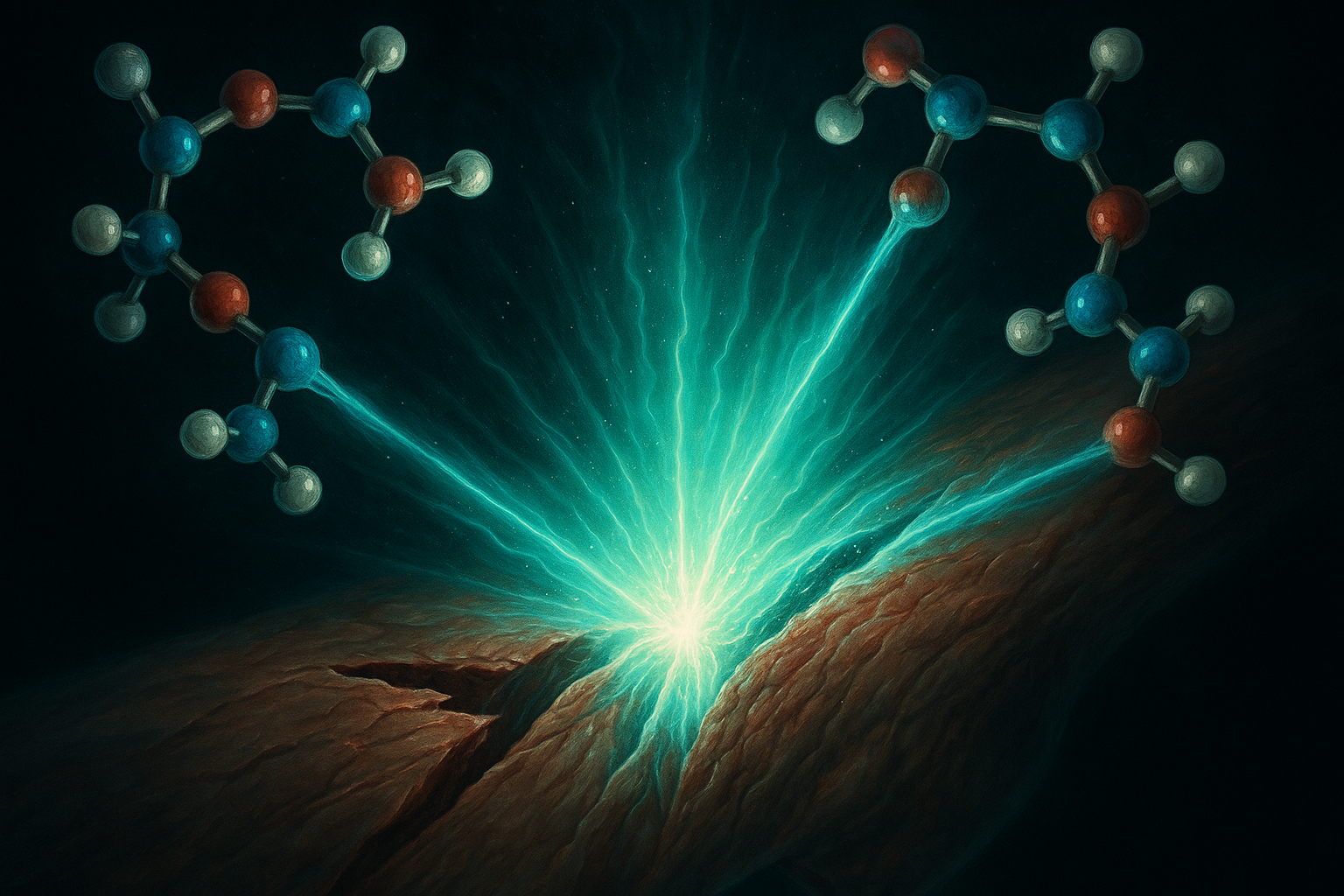
The Wolverine Stack: BPC-157 and TB-500
Two peptides targeting complementary stages of tissue repair - angiogenesis and structural remodeling - combined into one healing protocol. How the synergy works, what the research supports, and practical dosing.
Combined
Healing (BPC-157)
Cycle Length
Recovery (TB-500)
The name comes from Wolverine's regenerative abilities in the X-Men universe. The comparison is exaggerated, obviously. But the concept behind this stack is real: by combining BPC-157 and TB-500, you target two complementary healing pathways simultaneously rather than relying on a single compound.
Each peptide addresses a different bottleneck in the repair process. BPC-157 drives angiogenesis and local tissue repair. TB-500 promotes cell migration and reduces scar tissue. Together, they cover the full arc of recovery from vascular rebuilding through structural remodeling.
Some sources describe the Wolverine Stack with three compounds (adding GHK-Cu). That three-compound version is more accurately called the GLOW blend (BPC-157 + TB-500 + GHK-Cu). The original Wolverine Stack is the two-compound pairing described here. For a four-compound upgrade that adds both GHK-Cu and KPV, see our KLOW Stack guide.
This is an educational breakdown of the Wolverine Stack, covering mechanisms, dosing protocols, recovery timelines, and safety considerations. It is not a recommendation to use these peptides. None of these compounds are FDA-approved for human therapeutic use. Consult a qualified healthcare provider before considering any peptide regimen.
What's in the Wolverine Stack?
The Two Peptides at a Glance
BPC-157: 15 amino acids, derived from human gastric juice, targets local tissue repair and angiogenesis | TB-500: 43 amino acids (Thymosin Beta-4 fragment), promotes systemic cell migration and structural repair | Combined Target: Full-spectrum tissue healing from acute injury through structural remodeling
| Peptide | Core Function | Primary Targets | Evidence Level |
|---|---|---|---|
| BPC-157 | Local tissue repair, angiogenesis | Tendons, gut lining, ligaments | Strong preclinical |
| TB-500 | Cell migration, anti-fibrotic action | Muscle, connective tissue, wounds | Strong preclinical |
The logic here is straightforward. No single peptide covers every stage of healing. BPC-157 excels at the early inflammatory and vascular phases. TB-500 handles mid-stage cell recruitment, structural repair, and scar prevention. Together, they address both sides of the healing equation.
How Each Peptide Works
BPC-157: The Local Healer
BPC-157 is a 15-amino-acid peptide originally isolated from human gastric juice. It accelerates healing primarily through angiogenesis, the formation of new blood vessels around injured tissue. More blood vessels mean more oxygen and nutrients delivered to the repair site.
It upregulates vascular endothelial growth factor (VEGF) and other repair signals while simultaneously reducing inflammatory cytokines like TNF-alpha (Sikiric et al., 2010). Research in animal models shows tendon-to-bone injuries heal roughly 30% faster with BPC-157 administration. It is particularly effective for rotator cuff injuries, tennis elbow, and Achilles tendon problems.
For gut health, BPC-157 repairs intestinal lining damage caused by NSAIDs or inflammatory conditions. This is where its gastric origin becomes relevant: the peptide appears to have a natural affinity for digestive tissue repair. See our gut health peptide guide for more on this application.
BPC-157 is the first responder. It works locally at the injury site, building the vascular infrastructure that TB-500 needs to do its job. Without adequate blood supply, TB-500's cell migration signals stall. BPC-157 lays the groundwork.
TB-500: The Systemic Mobilizer
TB-500 is a synthetic version of the active region of Thymosin Beta-4, a 43-amino-acid peptide found naturally in the thymus gland. Its primary mechanism is actin sequestration. By binding to actin monomers, it helps cells become more mobile and migrate toward injury sites.
This cell migration effect is what separates TB-500 from BPC-157. Where BPC-157 works locally, TB-500 sends a systemic signal that draws repair cells from throughout the body. Studies in animal models show it reduces muscle recovery time by approximately 40% (Crockford, 2007).
TB-500 also has significant anti-fibrotic properties. It reduces scar tissue formation by reorganizing collagen fibers during the healing process. This is critical for chronic injuries where accumulated scar tissue has restricted mobility. For a deeper comparison, see BPC-157 vs. TB-500.
How the Two Peptides Work Together
The synergy here is not just marketing language. Each peptide addresses a genuine bottleneck in the healing cascade, and the combination covers gaps that either compound alone leaves open.
| Healing Stage | BPC-157 | TB-500 |
|---|---|---|
| Hours 0-72 | Reduces inflammation, initiates angiogenesis | Begins cell migration signaling |
| Days 3-14 | New blood vessels forming, growth factor signaling | Repair cells arriving at injury site |
| Weeks 2-6 | Tendon/ligament strengthening | Scar tissue reduction, collagen reorganization |
| Weeks 6+ | Maintenance support | Tissue maturation and flexibility improvement |
BPC-157 works locally, concentrating its effects near the injection site. TB-500 works systemically, sending repair signals throughout the body. The combination means you get both targeted vascular repair where you need it and body-wide structural support simultaneously.
Think of it like a construction project. BPC-157 builds the roads (blood vessels) and hooks up utilities (growth factors). TB-500 brings in the workers (cell migration) and reorganizes the site (anti-fibrotic action). Each handles a different phase, and together they create a more complete repair response than either compound alone.
BPC-157's Role
Primary: Vascular repair and local inflammation control. Strength: Targeted healing at specific injury sites. Limitation: Does not address systemic repair or collagen quality.
TB-500's Role
Primary: Cell recruitment and anti-fibrotic activity. Strength: Systemic reach, reduces scar tissue. Limitation: Does not directly stimulate collagen synthesis.
Primary: Structural protein production and tissue remodeling. Strength: Long-term tissue quality. Limitation: Slower onset, needs existing repair infrastructure.
Dosing and Administration
These are research-based protocols, not medical prescriptions. Always work with a qualified healthcare provider before starting any peptide regimen. Start with conservative doses and adjust based on your response and tolerance.
Standard Dosing Protocol
| Peptide | Dose | Frequency | Method | Notes |
|---|---|---|---|---|
| BPC-157 | 250-500 mcg | 1-2x daily | Subcutaneous (near injury) | Inject close to the affected area for best results |
| TB-500 | 2.5-5 mg | 2x weekly | Subcutaneous (any site) | Systemic peptide, injection site less critical |
Adjusting by Injury Type
Tendon/Ligament Focus
BPC-157: 500 mcg 2x daily near the tendon. TB-500: 5 mg 2x weekly. Emphasize BPC-157 here because tendon injuries respond strongly to localized angiogenesis.
Muscle Injury Focus
BPC-157: 250 mcg daily. TB-500: 5 mg 2x weekly. Emphasize TB-500 here because muscle recovery depends heavily on cell migration and anti-fibrotic effects.
Post-Surgical Recovery
BPC-157: 500 mcg daily (start after wound closure). TB-500: 2.5 mg 2x weekly. BPC-157 supports wound closure while TB-500 prevents excessive scarring at the surgical site.
Skin and Wound Healing
BPC-157: 250 mcg daily. TB-500: 2.5 mg 2x weekly. For additional collagen and skin support, consider adding GHK-Cu (which creates the GLOW blend) or the full KLOW stack.
Cycling Recommendations
Run the Wolverine Stack in 4 to 8 week cycles. Most users follow a pattern of 6 weeks on, 4 weeks off. This allows the body's own repair systems to consolidate the healing gains without developing tolerance. For more on cycling strategy, see our peptide cycling guide.
During the off period, continue supporting recovery with proper nutrition, sleep optimization, and appropriate physical therapy. The peptides initiate repair processes that continue running after you stop dosing.
Rotate injection sites regularly to prevent irritation. Follow sterile reconstitution techniques (see our reconstitution guide). Store peptides refrigerated after mixing and use within 30 days. BPC-157 and TB-500 can be combined in the same syringe for convenience.
Recovery Timelines and Expectations
Healing follows a predictable sequence when using this stack, but individual timelines vary based on injury severity, age, nutrition, and compliance. Here is what the general arc looks like.
| Injury Type | Weeks 1-4 | Weeks 4-8 | Weeks 8+ |
|---|---|---|---|
| Tendonitis | Pain reduction, decreased stiffness | Improved strength, better function | Full strength, minimal pain |
| Muscle strain | Swelling down, pain decreasing | Regained strength, normal movement | Full power, no restrictions |
| Post-surgical | Faster wound closure, less inflammation | Tissue remodeling, increased strength | Complete healing, mature scar |
| Chronic injuries | Reduced discomfort, better mobility | Increased function, fewer flare-ups | Sustained improvement (ongoing) |
Healing is not linear. Progress comes in bursts, and plateaus are normal. The body repairs tissue in layers. Some weeks you will notice significant improvement, and other weeks will feel like nothing is happening. Track pain levels, mobility, and function weekly rather than daily to get an accurate picture of your trajectory.
Factors That Affect Your Results
Heal Faster
Matters Greatly
Deep Sleep
Accelerates Repair
Compliance is the factor that people underestimate most. Consistent dosing at the right frequency matters more than occasional high doses. Missing TB-500 injections, for example, interrupts the cell migration signaling that takes days to build up.
Safety and Side Effects
The Wolverine Stack is generally well-tolerated when used at recommended doses with proper technique. Most reported side effects are minor and resolve quickly.
| Potential Issue | Frequency | Which Peptide | Management |
|---|---|---|---|
| Injection site reactions | Common | All three | Rotate sites, use 29-31 gauge needles |
| Mild fatigue | Occasional | TB-500 | Dose in the evening, stay well hydrated |
| Headaches | Rare | BPC-157 | Check hydration, reduce dose temporarily |
| Nausea | Rare | BPC-157 (oral) | Take with food, split into smaller doses |
Who Should Not Use This Stack
Do not use if pregnant or breastfeeding. Those with active cancer should avoid peptides that promote angiogenesis (BPC-157) or cell proliferation (TB-500) unless cleared by an oncologist. Stop immediately and consult your provider if you notice persistent unusual reactions.
Track blood pressure weekly. Note energy levels, sleep quality, and any unusual bruising. If running cycles longer than 6 weeks, consider basic bloodwork including copper levels and inflammatory markers (CRP, ESR). For a complete monitoring protocol, see our peptide bloodwork guide. Report any persistent side effects to your healthcare provider promptly.
Who Might Benefit from the Wolverine Stack
Situations Where This Stack Fits
Athletes and active individuals recovering from sports injuries. Post-surgical patients looking to support wound healing (with physician clearance). People with chronic tendon or joint issues that have not responded to conventional treatment. Those with skin healing concerns including slow wound closure or poor scar quality.
What This Stack Cannot Do
This is not a substitute for surgery when surgery is indicated. It will not fix structural problems like a fully torn ACL or a displaced fracture. It does not replace physical therapy, proper nutrition, or adequate rest. Think of it as an accelerator for your body's existing repair systems, not a replacement for them.
For athletes specifically, the Wolverine Stack pairs well with proper rehabilitation protocols. Our peptides for athletes guide covers broader applications. If your primary interest is stacking strategy rather than this specific combo, see the general peptide stacking guide.
Cost Considerations
| Component | Monthly Cost Range | Notes |
|---|---|---|
| BPC-157 | $50-$100 | Varies by dose and source quality |
| TB-500 | $100-$200 | Higher cost due to larger molecular weight |
| Supplies | $15-$30 | Syringes, bacteriostatic water, alcohol swabs |
| Total | $215-$480 | Per 4-week cycle |
The Wolverine Stack is one of the more affordable peptide combinations since it only involves two compounds. For those wanting additional collagen and structural support, adding GHK-Cu creates the GLOW blend. Adding both GHK-Cu and KPV creates the full KLOW stack.
Source quality matters significantly. Third-party tested peptides from reputable suppliers cost more but provide consistent results. Our vendor red flags guide and COA reading guide can help you evaluate suppliers.
Complementary Approaches
Peptides work best when combined with fundamentals that support healing. None of these compounds replace the basics.
Nutrition
Adequate protein (1.6-2.2 g/kg bodyweight), vitamin C for collagen synthesis, zinc for immune function, and copper-rich foods. Collagen peptides as a supplement can provide additional building blocks.
Physical Therapy
Appropriate mechanical loading stimulates healing. Isometric exercises for tendons, progressive resistance for muscles. Too much rest is as problematic as too much activity during recovery.
Sleep and Recovery
Growth hormone peaks during deep sleep. Aim for 7-9 hours. If sleep is an issue, see our sleep peptide guide. Red light therapy and intermittent compression can also support circulation to injured areas.
Peptides support healing but do not replace fundamentals. Movement, nutrition, and rest remain essential. The best results come from combining the Wolverine Stack with a structured rehabilitation program rather than relying on the peptides alone.
Frequently Asked Questions
How soon might I notice changes?
Can I use this stack for joint pain?
Are there medication interactions I should know about?
Can I add other peptides to this stack?
Is long-term use safe?
How should I store these peptides?
What if I want more than just BPC-157 and TB-500?
Where should I inject BPC-157 for tendon injuries?
This article is for educational and informational purposes only. It is not medical advice and should not be treated as such. The peptides discussed here are not FDA-approved for human therapeutic use in the United States. Always consult a qualified healthcare provider before starting any peptide protocol. Individual results vary. Do not use peptides to self-treat serious medical conditions without professional supervision.
Related reading: BPC-157 Complete Guide · TB-500 Complete Guide · GHK-Cu Copper Peptide Guide · BPC-157 vs. TB-500 Comparison · Peptide Stacking Guide · Beginner's Guide to Peptides
For compound profiles and sourcing info, visit PeptideArc.